Mountain Bike Trip Packing List: What to Bring for 3 Days
A packing guide for a drivable mountain bike weekend, from the first lap to the drive home.
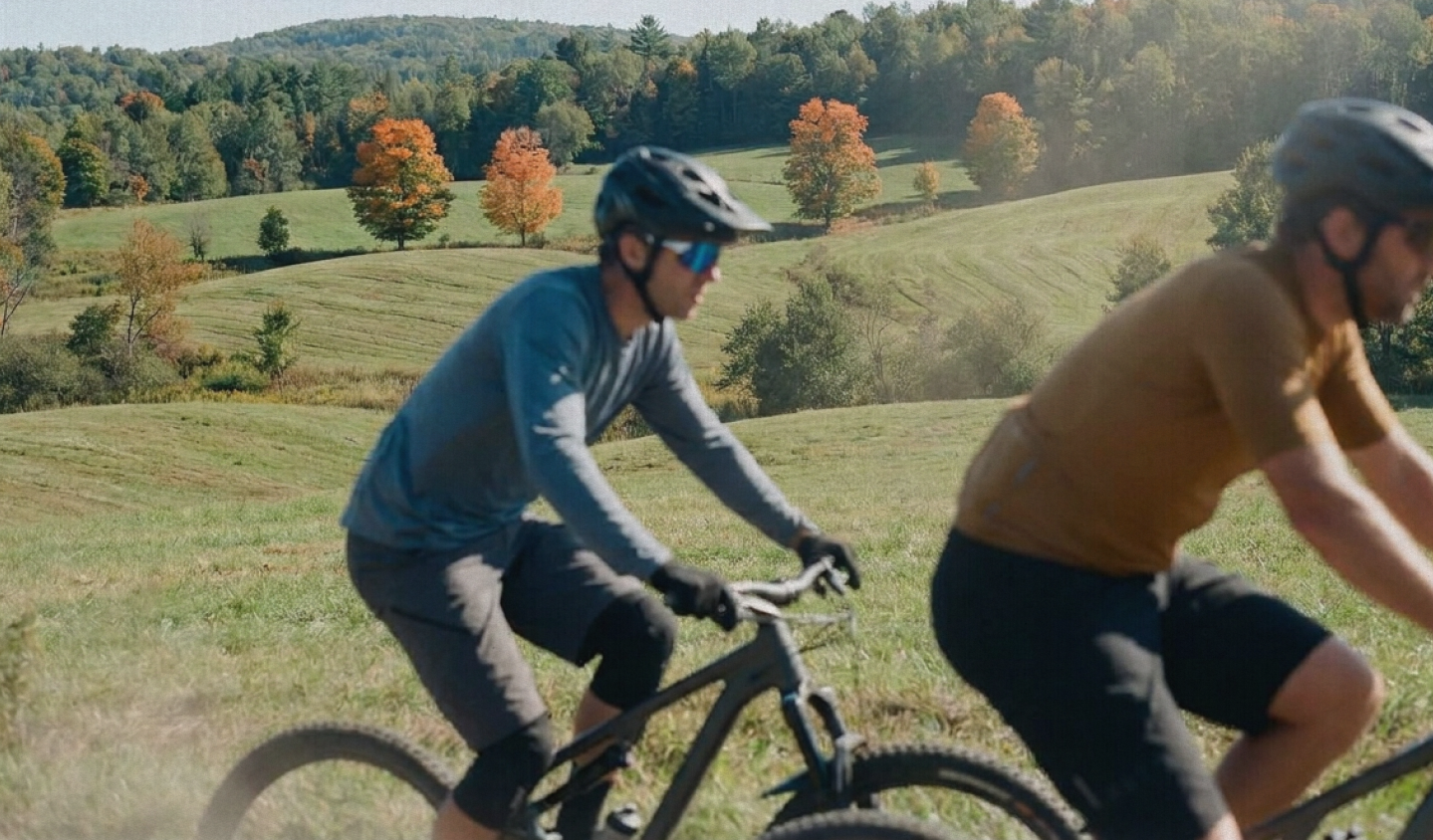

Three days of riding is a different thing than one. You're not packing for a singular ride, you're packing for three or more of them, back to back, on tired legs. Here’s how to dial in your packing to get you off and running (well, riding) and not scrambling at the last minute, holding your group up. There’s always one in every crew - don’t be the one.
Dialing In Your Bike Before the Trip
Some may say the bike is the most important item on a mountain bike trip. Some may say it’s the Beer. The latter group is typically the folks struggling on the climb by day 2. Yes, of course it’s the bike. But give it some attention before it goes on the rack. Tune it up yourself, if you’re into that sort of thing, or book a shop visit a couple of weeks out, so there's actually time to fix anything that’s found.
- Tires. Check the tread and sidewalls. If your knobs are worn down, swap them now. If you’re someone who rides until they’re slick, you’re typically a better rider than all of us. Do your thing.
- Sealant. Check it. It dries up faster than you think, and nobody wants to find out when you nail a rock on the first descent.
- Brake pads. Three days of riding can take a set from plenty left to metal on metal.
- Drivetrain. A slightly bent hanger is a minor annoyance on day one. By day three, it's all anyone in the group hears about.
- Suspension. Dial it in at home, not at the trailhead while everyone waits.
- Bolts. Stem, rotors, pedals, axles, etc. - torque everything to specifications.
What to Wear: Riding Gear for a 3-Day Trip
Before packing, check the forecast, what you’re riding, and what your lodging provides. You’ll want something dry to put on every morning. If your lodging has a washer/dryer that makes life a whole lot easier.
- Shoes. Your riding pair, plus a backup if there's any chance of rain. Pulling on wet shoes at 8am is a bummer.
- Gloves. Two or three pairs. They're the first thing to get soaked and take a while to dry.
- Shorts/pants and liners. One set a day.
- Jerseys/riding shirts. Same deal.
- Layers. A light shell and a warm long sleeve. Depending on the time of year and location, some warmer gear may be needed.
- Helmet. You don’t want to forget this one. If you’re doing some serious downhill, take the full-face as well.
- Protection. Glasses, knee pads, and elbow pads.
- Socks. Bring more than you think. They don’t take up much space, and nobody has ever regretted extra socks.
If the plan is to stop and ride before checking in, keep your first kit together and accessible. You shouldn’t have to unpack the entire car to get set up.
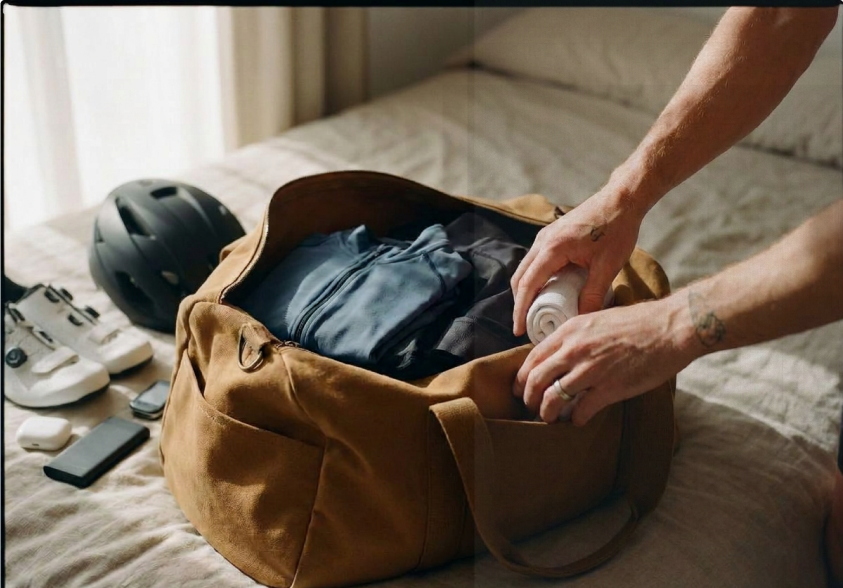
Give wet and dirty gear somewhere to go
At home, you have a system, whether good or questionable. Maybe it’s a laundry room. Maybe it’s a controversial corner of the garage. That system needs to travel.
Bring a bin / bag or two for muddy shoes and clothing and a towel you’re happy to get dirty.
Contain wet gear for transport, then unpack and air it out as soon as you can. You don’t want to leave it stewing for a week (ask me how I know).
What to Carry on the Trail
- Hydration. Your usual hydration pack or bottles. Electrolytes too.
- A pack that fits your longest day. Small backpack or hip pack.
- Real food. Bars, nut mixes, etc. The saltier the better.
- A small first aid kit. Hopefully it stays zipped all weekend.
- Offline maps. Download the area in Trailforks before you leave. Service in the woods is hit or miss, and "I think it's this way" gets old fast.
MTB Spares and Tools to Pack
It’s inevitable. Something always breaks when you don’t bring the right tool. If you bring the tools, you never need them. So bring the tools.
In your pack: a multi-tool with a chain breaker, plugs, a mini pump or CO2, a quick link, and a tube for when the plugs just can’t fix the puncture.
In the car: floor pump, shock pump, chain lubricant, a spare derailleur hanger, extra brake pads, zip ties, electrical tape, and a couple of rags. If you’re super prepared, a spare tire.
If you ride an e-bike, pack its charger and any required battery or rack keys.
Traveling with a crew? Coordinate the larger tools. One floor pump per car does the job. Each rider should still carry their specific basics they might need.
Pack for the hours off the bike
How day three goes mostly comes down to what you do after day one.
- Real clothes. Get out of your kit as soon as you can. One comfortable outfit for evenings and cozy clothes for slow, cooler mornings. Clean underwear and sleepwear.
- Sandals/Comfortable Shoes. Your feet have earned it.
- A foam roller or massage ball. Ten minutes at night saves a lot of complaining in the morning.
- Toiletries. Toothbrush, toothpaste, soap, shampoo, and personal medications.
- A cooler. Cold drinks are always best after a long ride.
- Chargers. Phone, watch, and other device chargers.
- Music. Bluetooth speaker for post-ride tunes. Please keep it off the trail though.
There’s a particular pleasure in changing into dry clothes after a good ride. Plan for it. Choose clothes that work for breakfast, a walk around town, and dinner. The weekend doesn’t need extensive wardrobe changes.
Keep a dry layer and comfortable shoes within reach of the car door. Future you, standing in a parking lot with damp feet, will appreciate the gesture.
Before booking, check whether your lodging offers
- A designated place to wash bikes.
- Secure bike storage.
- Space to dry wet clothing and shoes.
- Laundry access.
- Towels or cleaning supplies intended for gear.
Loaded Up and Ready to Ride
Get the bike sorted a couple of weeks out. Pack for multiple rides with something dry for every morning. Bring the tools so you won’t need them, and give the wet, muddy stuff somewhere to go. Then plan for the hours off the bike, because that’s where day three gets won or lost.
Most of what you forget, like your tooth brush, you can typically pick up in town (if it’s close). The derailleur hanger, the shock pump, and a helmet you love as much as your own, eh, maybe not. Pack those first.
Once the bike’s on the rack and the car’s loaded, the rest is easy. Show up, ride more miles than you’re used to, with people that push you to your limit, then start planning for the next one.